Renaissance engineer · 1452–1519

Leonardo the Inventor

He painted the Mona Lisa. He also filled notebooks with flying machines, armored vehicles, a self-driving cart and a robot.

Tap a drawing to explore the machine.

0 of 5 machines explored

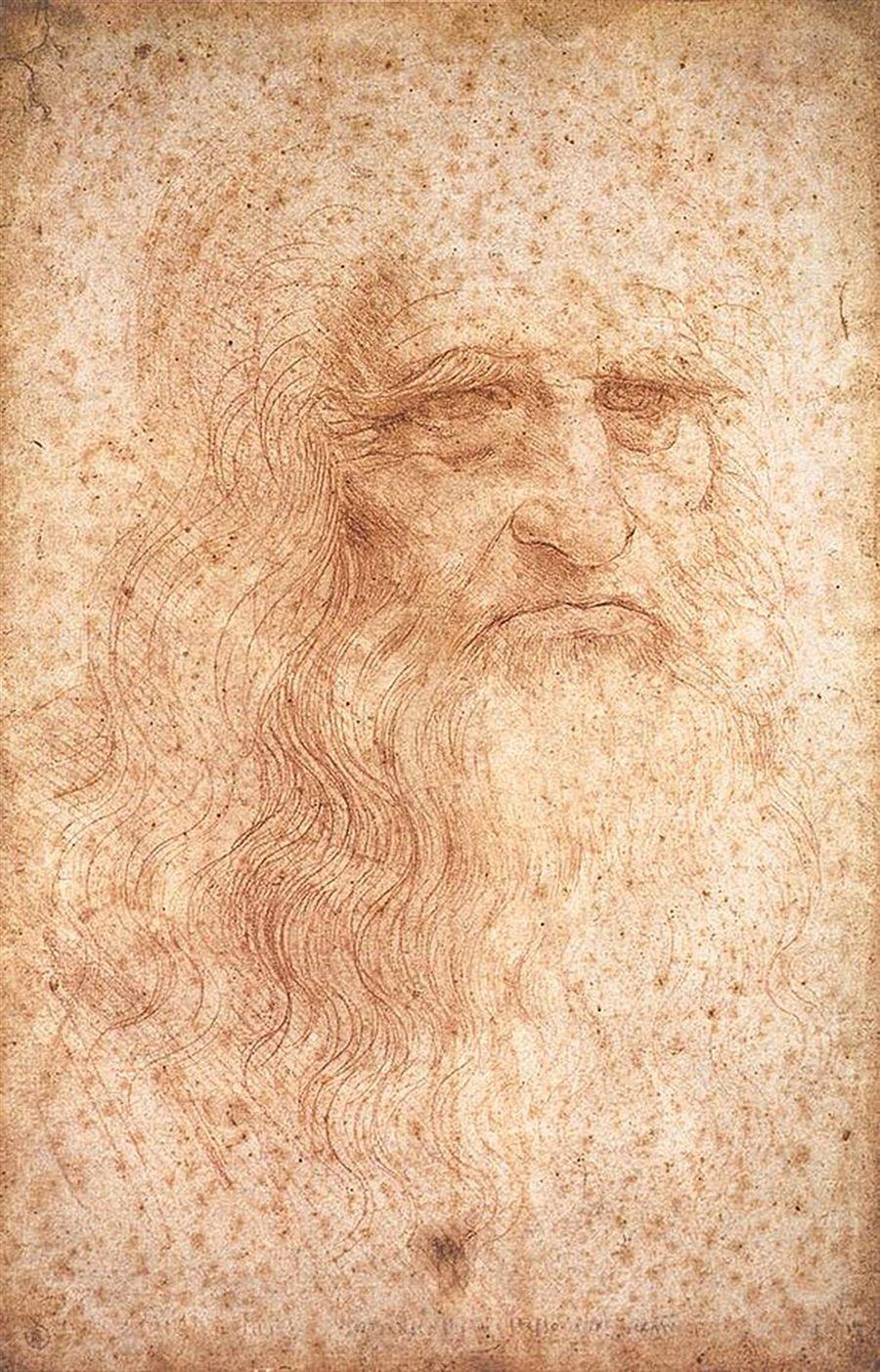
Red chalk drawing believed to be Leonardo's self-portrait
Presumed self-portrait, c. 1512
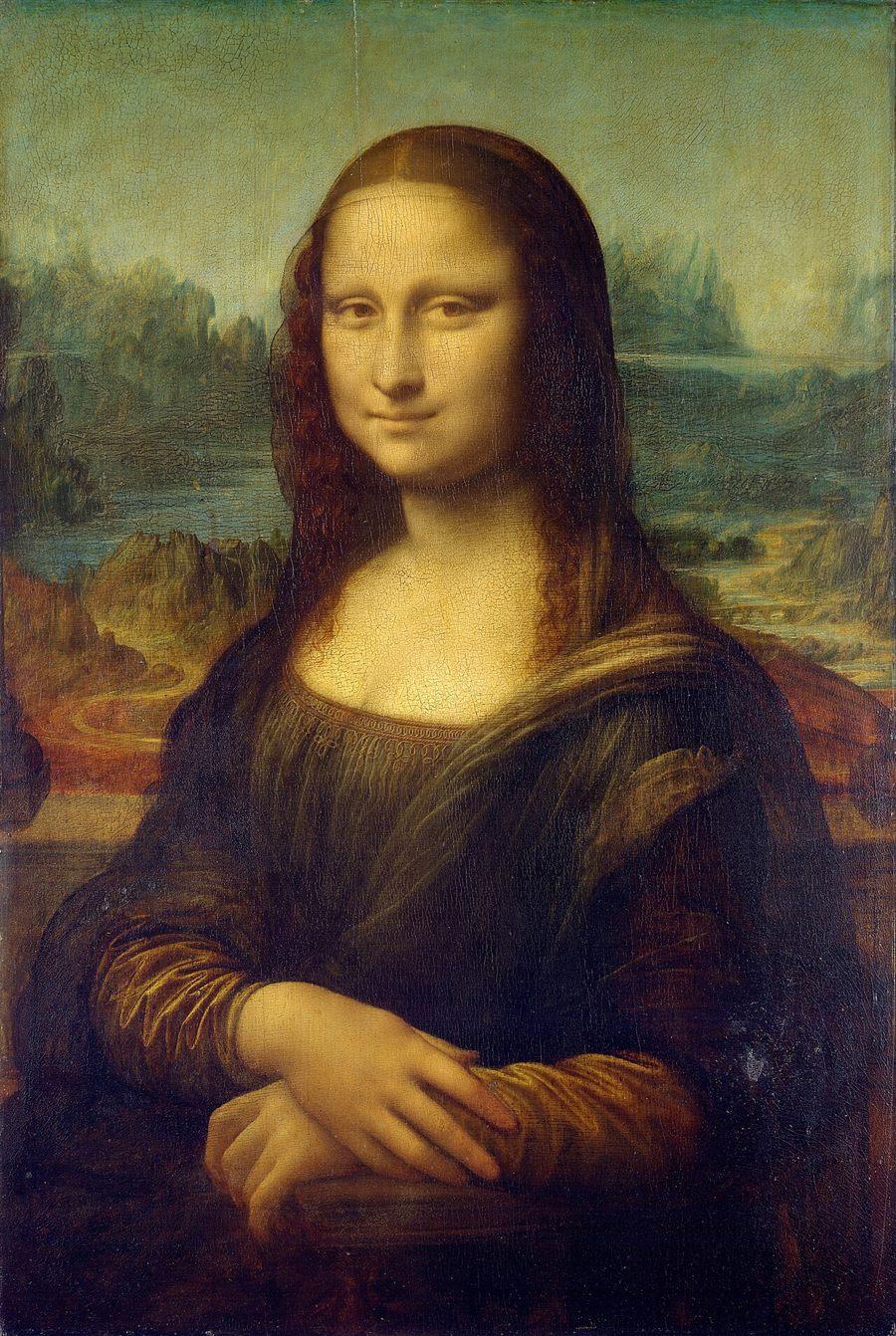
The Mona Lisa
Mona Lisa, c. 1503–1519

Meet Leonardo

More than a painter

When most people hear the name Leonardo da Vinci, they probably think of paintings like the Mona Lisa or The Last Supper. But Leonardo was much more than an artist. During the Renaissance, he was also an inventor, engineer, scientist, and designer. He filled notebooks with ideas for machines that were far ahead of the technology available during his lifetime.

Many of his inventions were never actually built, but the designs and ideas behind them are surprisingly similar to things we still use today. Some of his most significant ideas involved flight, transportation, military vehicles, and mechanical engineering.
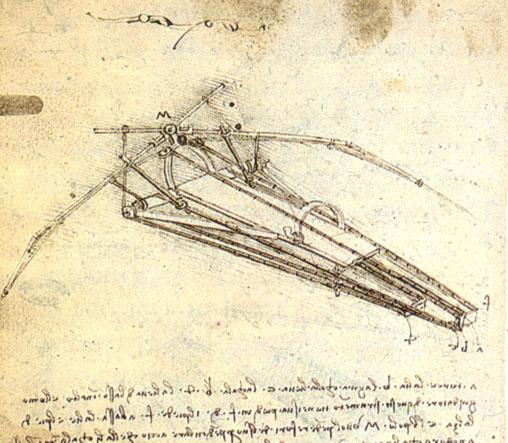
Ink drawing of a flying machine with long hinged wings
Design for a flying machine, pen and ink

Tap the numbers on the drawing

Folio I · Flight

The Ornithopter

c. 1485–1490

His method

He studied first,
then designed

What makes Leonardo da Vinci's inventions so significant is that he was not just imagining random machines. He carefully studied the world around him. He studied birds to understand flight, the human body to understand movement, and gears and machines to understand how energy could be transferred.

Many of his designs could not be built successfully during the Renaissance because the technology and materials simply did not exist yet. But the ideas behind them were still important.

500 years later

Leonardo da Vinci lived more than 500 years ago, yet some of his designs can still remind us of modern helicopters, tanks, cars, and robots. His inventions show how powerful an idea can be, even if it cannot be built right away.

In the end, Leonardo da Vinci's greatest invention may not have been one specific machine. His greatest contribution was the way he combined creativity, art, science, and engineering to imagine what technology could become. His designs remind us that many modern inventions begin with a simple question:

Images via Wikimedia Commons, all public domain: presumed self-portrait (Biblioteca Reale, Turin); Mona Lisa (Louvre, C2RMF scan); design for a flying machine; aerial screw (Manuscript B, Institut de France); studies of military machines (British Museum 1860,0616.99); self-propelled cart (Codex Atlanticus, Biblioteca Ambrosiana); mechanical knight model, photo by Erik Möller (Berlin, 2005); Codex on the Flight of Birds (Biblioteca Reale, Turin); Vitruvian Man (Gallerie dell'Accademia, photo by Luc Viatour).

What if we could build something that has never existed before?